Hardware choices determine who pays the energy bill, who gets access, and whose data is at risk — yet ethical questions rarely enter the systems design conversation. How do we build infrastructure that is both technically excellent and socially responsible?
The Workshop on Ethical Systems and Architecture Design (HotEthics'26) brings together researchers working across the full system stack — from microarchitecture to datacenter infrastructure — to identify where design choices create or exacerbate ethical problems, and to develop system-level solutions. Building on the inaugural 2024 workshop, HotEthics'26 is a forum for sharing early-stage work, challenging prevailing assumptions, and forging connections across systems, architecture, and the broader societal-impact community.
Program
Afternoon Block 1 13:30 – 15:30
15:30 – 16:00 Coffee Break
Afternoon Block 2 16:00 – 18:00
| Time | Session / Talk | Authors / Affiliations |
|---|---|---|
| Session 3: Reliability, Privacy & Fairness (45 min) | ||
| 16:00 | Challenges and Design Considerations for Finding CUDA Bugs Through GPU-Native Fuzzing | (Columbia University); (University of Pennsylvania); (Columbia University); (Columbia University) |
| 16:15 | Accelerating Fully Homomorphic Encryption at Scale: Lessons from Storage-Centric System Design | (University of California San Diego) |
| 16:30 | Health-Aware AI Inference Scheduling with Long-Term Fairness Objectives | (Rochester Institute of Technology); (University of California, Riverside); (California Institute of Technology); (University of California, Riverside) |
| Panel Discussion (60 min) | ||
| 16:45 – 17:45 | See Panelists below. | |
| 17:45 – 18:00 | Closing Remarks & Networking | Welcome Reception begins at 18:00 |
All talks: 12 min presentation + 3 min Q&A unless otherwise noted.
Panel Discussion
16:45 – 17:45

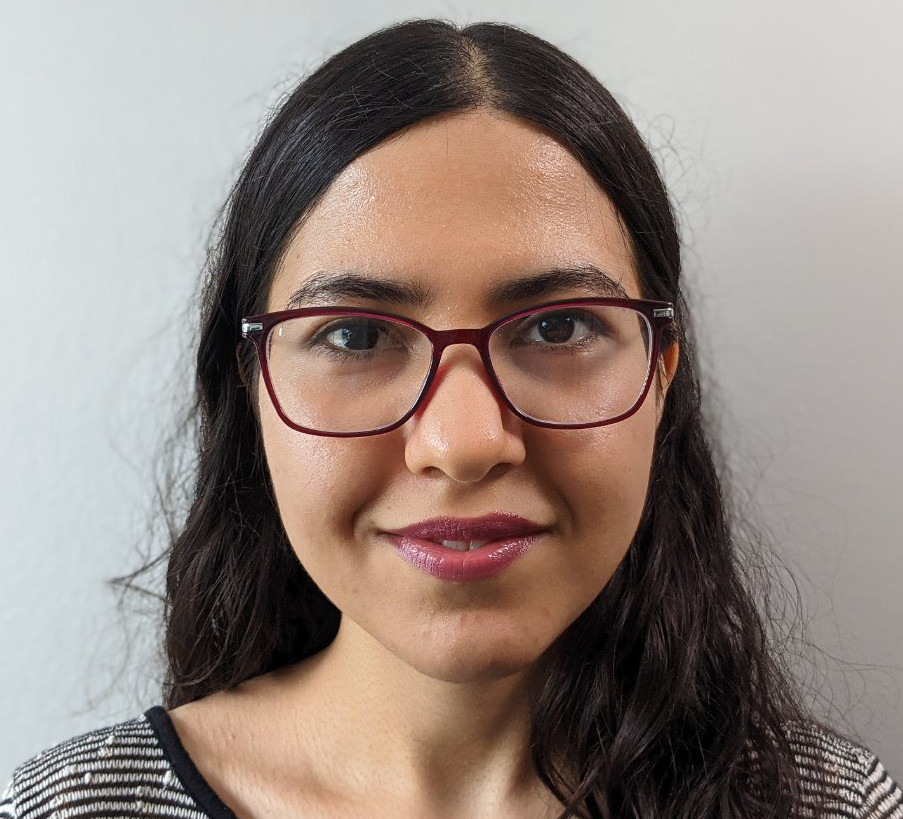
Sarah Cen
Carnegie Mellon University
ECE / EPP
Sarah H. Cen is an Assistant Professor at Carnegie Mellon University (ECE/EPP). Her research focuses on machine learning, AI accountability, and the governance of automated systems, including recent high-profile work mapping the AI supply chain. She holds a Ph.D. from MIT and previously completed a postdoctoral fellowship at Stanford HAI.
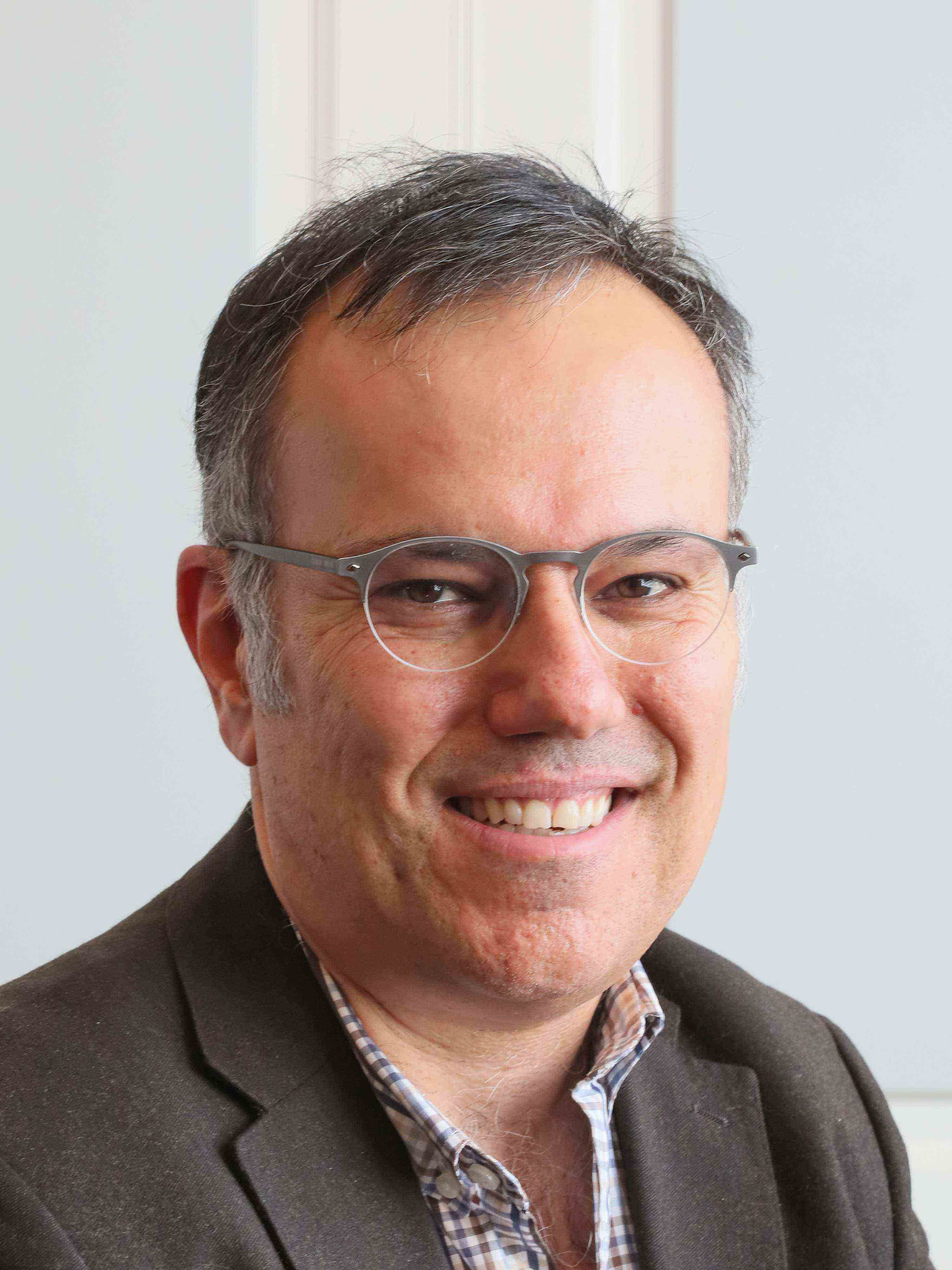
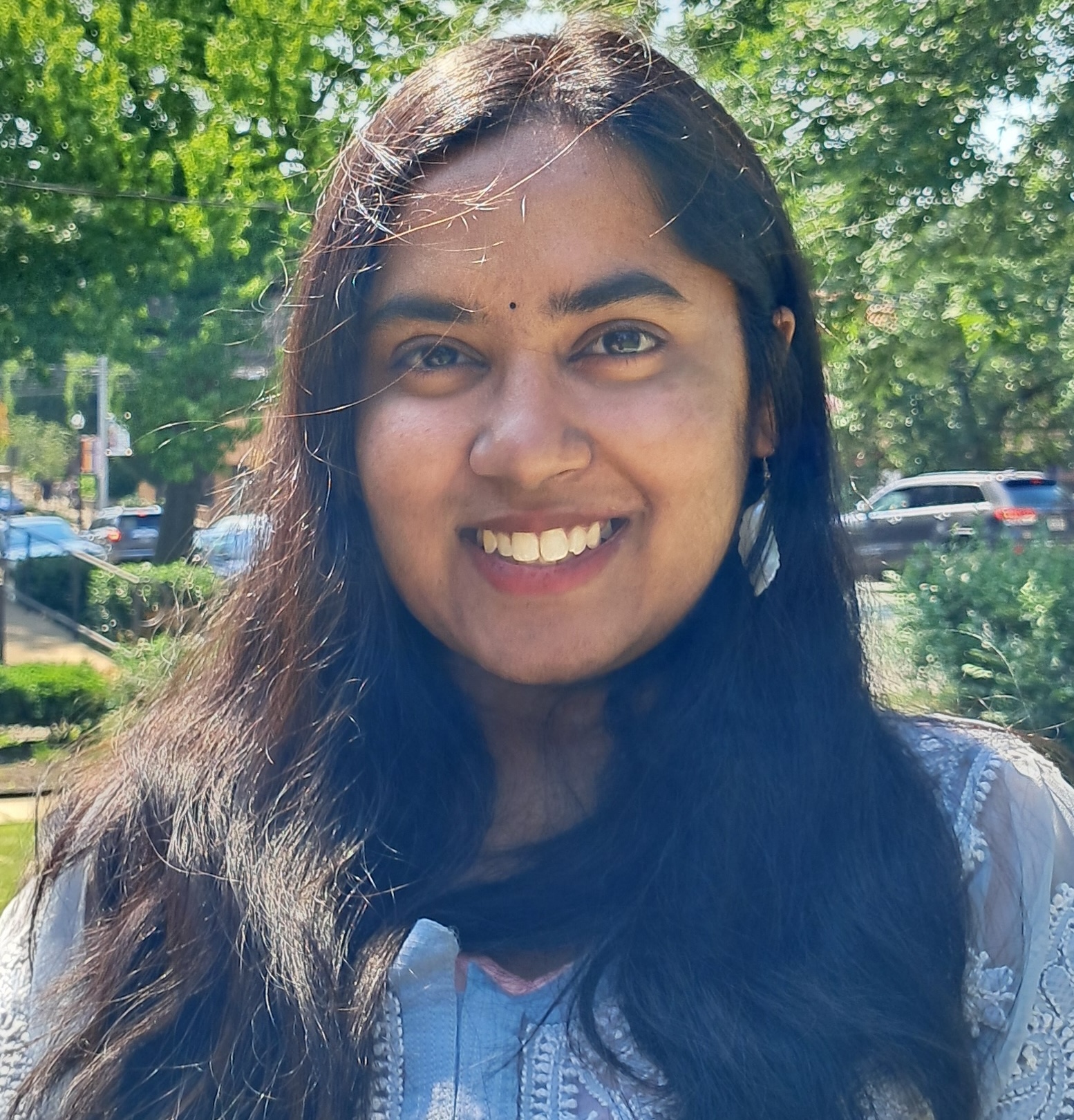
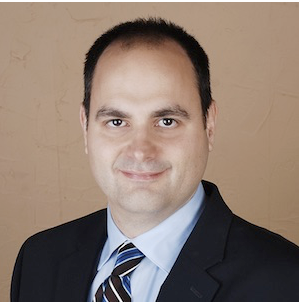
Babak Falsafi
EPFL
Founding Director, EcoCloud | President, SDEA
Babak Falsafi is a Full Professor at EPFL, the founder of EcoCloud, and an ACM and IEEE Fellow. His research centers on scalable, sustainable IT and post-Moore server architecture. A leading systems practitioner, he built the SDEA certification, the only IEA-recognized quantitative efficiency standard for datacenters, successfully bridging the gap between academic architecture research and enforceable industry policy.
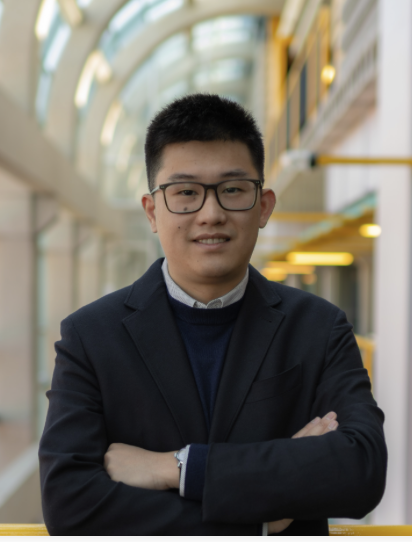
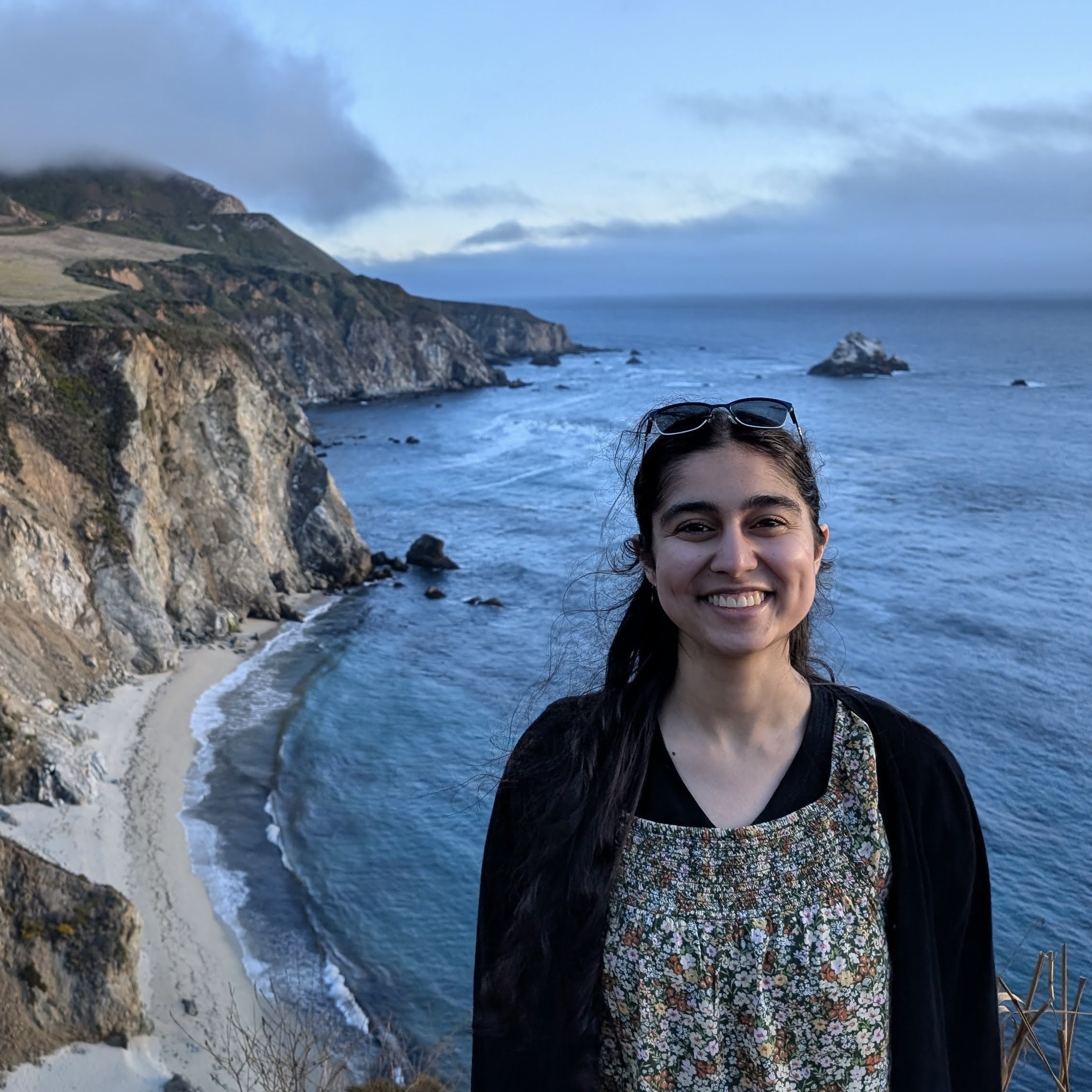
Sihang Liu
University of Waterloo
Computer Science
Sihang Liu is an Assistant Professor of Computer Science at the University of Waterloo and former visiting faculty at SystemsResearch@Google. His research focuses on computer systems and architecture, with a specific emphasis on building systems that treat sustainability and security as primary design constraints. His recent work includes designing carbon-aware infrastructure for LLM serving and developing defenses against architectural side-channel attacks. He received his PhD from the University of Virginia.
Call for Papers
HotEthics'26 invites submissions that identify, analyze, or address the ethical dimensions of systems and architecture design. We welcome work spanning the full system stack — from chips and hardware to datacenter infrastructure and deployed ML pipelines. Topics of interest include, but are not limited to:
- Environmental impact of system design choices
- Systems and architectures for underserved, rural, and developing communities
- Bias introduced by computer architecture and systems
- Low-cost, low-power, and accessible device design
- Privacy- and security-aware system design
- Bias in machine learning for systems
- Benchmarking practices and their ethical implications
- System reliability, maintainability, and long-term societal impact
- Research methodology, evaluation norms, and incentive structures
Submission Guidelines
We invite submissions in four categories: completed research papers, industry and practice papers, work-in-progress papers, and short position papers that provoke, challenge, or motivate new directions. Submissions are not required to include formal quantitative or experimental results.
Short papers: up to 2 pages (excluding references).
Long papers: up to 4 pages (excluding references).
Formatting: double-column, 11pt font, US letter (8.5" × 11").
Review model: single-blind; submissions need not be anonymized.
Reviews are for acceptance decisions only — authors should not expect written feedback.
HotEthics'26 is non-archival. Authors retain full freedom to submit extended versions to conferences or journals. Accepted papers and slides will be posted on the workshop website.
Important Dates
- Submission deadline: January 30, 2026, Friday (AoE)
- Notification of decisions: February 13, 2026, Friday (AoE)
- Submission portal: HotCRP
- Workshop: March 22, 2026, Sunday (co-located with ASPLOS 2026)